Recycling and Sustainability at Elm Park Storage
 Elm Park Storage is committed to a more responsible approach to self storage, with sustainability built into daily operations and long-term planning. Our Elm Park Storage recycling programme is designed to reduce waste, support local reuse, and make it easier for customers to store items in a way that aligns with greener living. We aim to reach a minimum recycling rate of 80% across office waste, packaging, and maintenance materials, while steadily improving year by year through better sorting, smarter purchasing, and lower-impact transport.
Across the site, we focus on practical steps that make a measurable difference. Cardboard, paper, plastics, metals, pallets, and suitable wood materials are separated for recovery wherever possible, while general waste is kept to a minimum. This approach reflects the wider boroughs’ emphasis on waste separation, where household and business streams are increasingly sorted into dry mixed recycling, food waste, residual waste, and specialist collections. By following similar principles, Elm Park self storage helps keep recyclable materials in circulation for longer and reduces the pressure on disposal facilities.
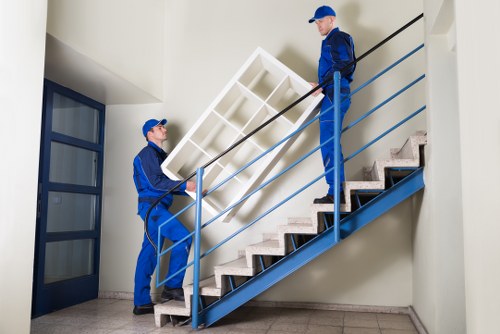 We also look at sustainability from the point of view of everyday operations. Packaging from deliveries is flattened and reused where safe, old shelving and fixtures are assessed for refurbishment before replacement, and surplus materials are directed toward recovery rather than landfill. These small actions add up. In a storage environment, where boxes, wrap, tape, and transit packaging can create a steady waste stream, better segregation supports more efficient recycling outcomes and a cleaner working site.
Partnerships with local charities are another important part of the Elm Park Storage sustainability story. When customers no longer need furniture, household goods, books, clothing, or office items, we support responsible donation routes where suitable. Working with charities helps extend the life of usable possessions and keeps good-quality items in circulation for families, community organisations, and people setting up new homes. This reuse-first mindset is a key part of recycling at Elm Park Storage, because the greenest item is often the one that never needs to be thrown away in the first place.
 We also encourage the careful handling of items that are not fit for donation but may still be recyclable. Metal bed frames, wooden furniture components, electronics, and clean rigid plastics can often enter specialist recovery channels, depending on condition and local acceptance rules. In boroughs where waste separation is strongly promoted, residents are increasingly used to sorting materials before they leave the premises. That local culture supports our own efforts, as customers and teams become more aware of what can be reused, repaired, or recycled.
Another part of our sustainability work is transport. Elm Park Storage is gradually increasing the use of low-carbon vans for local collections, deliveries, and operational trips. These vehicles help cut emissions while still providing reliable service across surrounding areas. Where possible, routes are planned efficiently to reduce mileage and idle time, and loading is organised so each journey carries as much useful material as possible. Lower-emission transport is a practical step that complements our recycling targets and supports a cleaner overall service model.
 The storage industry can generate hidden waste through damaged packaging, disposable moving supplies, and poorly managed clearance projects. To counter this, Elm Park Storage encourages a more circular approach. We sort materials before disposal, prioritise reusable crates and containers where appropriate, and support customers who wish to pass on items rather than discard them. This is especially relevant in urban areas where borough collection systems often separate waste into different streams and where residents are expected to think carefully about contamination, sorting, and collection timing.
Our approach to sustainable Elm Park self storage recycling also includes awareness of specialist waste types. Batteries, fluorescent tubes, electrical items, and certain cleaning products may require dedicated handling, and these are managed in line with appropriate recovery pathways. Construction-related items from unit fit-outs or maintenance work are reviewed for salvage or reuse whenever possible. By combining recycling discipline with careful material selection, we reduce the environmental footprint of the facility without compromising service quality.
 Looking ahead, Elm Park Storage will continue investing in greener habits that support both customers and the local community. The aim is not only to recycle more, but to prevent waste before it starts through better planning, smarter packing, and stronger reuse partnerships. With a target of at least 80% recycling, support for charities, local transfer station use, and a growing low-carbon van fleet, our sustainability programme is focused on steady progress rather than one-off gestures. Responsible storage means looking after belongings today while helping protect the environment for tomorrow.